|
|
|
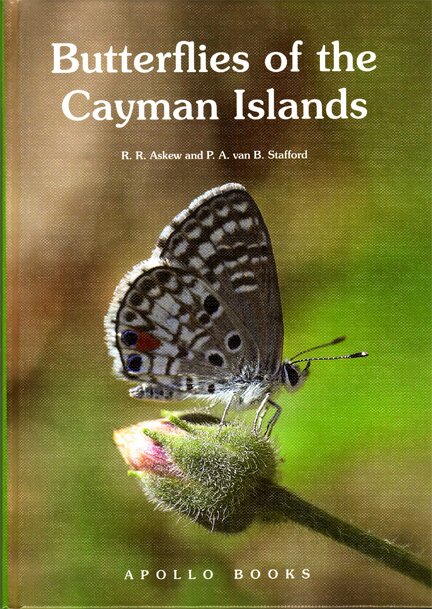
The new book, Butterflies of the Cayman Islands by Richard Askew and Ann Stafford is available for sale at the National Trust and other local outlets in the Cayman Islands. It includes detailed information and beautiful color photographs and is an invaluable resource for gardeners, students, parents and nature lovers. It is also available on-line internationally from Apollo Books - www.apollobooks.com/cayman.htm
|
|
|
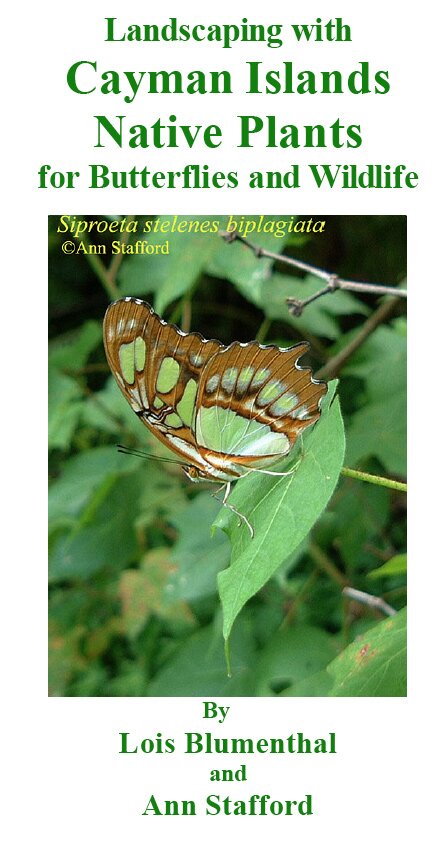 |
| Look for the booklet: LANDSCAPING WITH CAYMAN ISLANDS NATIVE PLANTS FOR BUTTERFLIES AND WILDLIFE - Sold through the National Trust for the Cayman Islands. Come to the Visitor Center in the Dart Family Park 558 A South Church St. on Grand Cayman to purchase this booklet and other books and products relating to the Cayman Islands natural and cultural history. |
|
|
| |
| |
| Please see: |
|
 |
Photos by Tom Poklen, with thanks |
click < here >
|
| |
See the info about the Milkweed Butterflies |
click < here >
|
| |
The Black Witch moth |
click < here >
|
| |
Butterfly Poster Information |
click < here >
|
| |
Butterfly Information (Dr. Dick Askew and his wife Tish) |
click < here >
|
| |
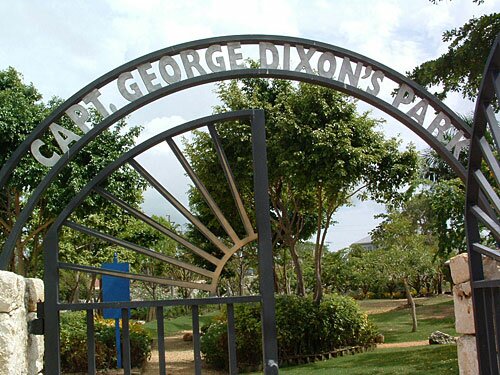
Where to Find Butterflies: Captain George Dixon Park |
click < here >
|
| |
|
|
| |
Page of Stamps of the Cayman Island featuring butterflies |
click < here >
|
| |
Our section on Butterfly Plants on our plants page |
click < here >
|
|
| |
|
| photos by Tom Poklen, with thanks |
|
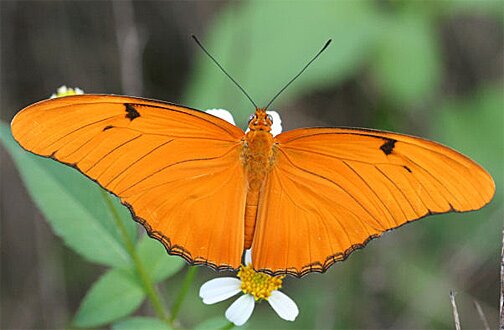 |
|
Cayman Zoe Julia
|
|
| |
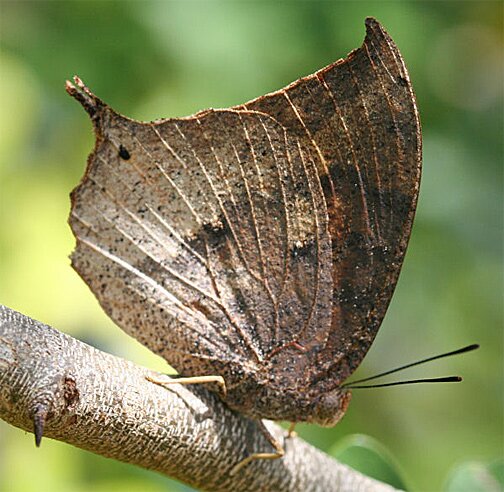 |
|
Cuban Red Leaf Bfly
|
|
| |
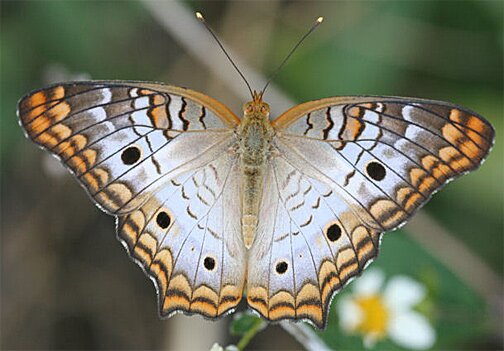 |
|
White Peacock
|
|
| |
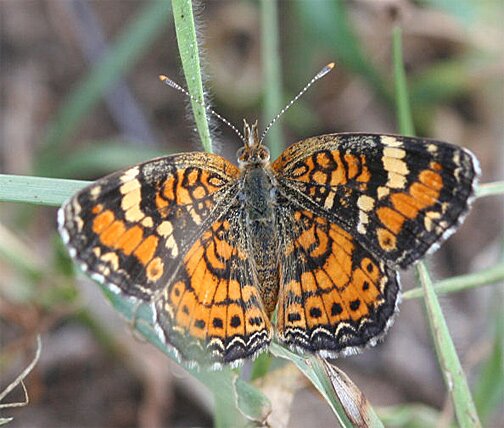 |
|
Crescent Spot
|
|
| |
 |
|
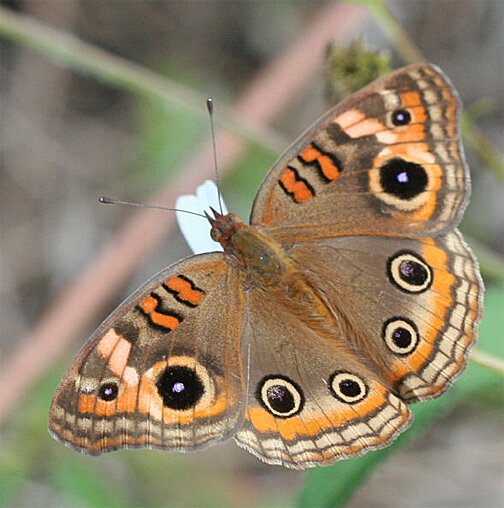
Mangrove Buckeye
|
|
| |
 |
|
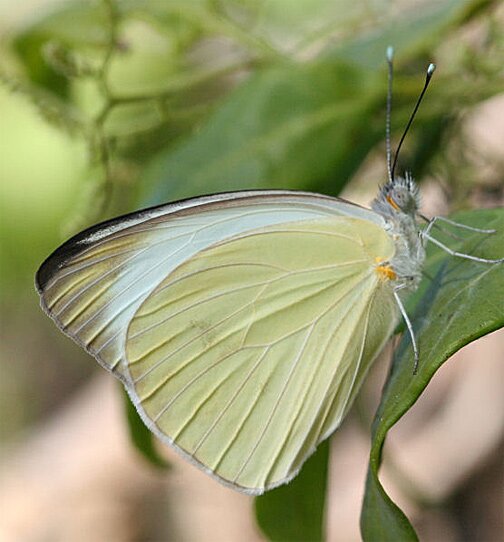
Great Southern White
|
|
| |
 |
|
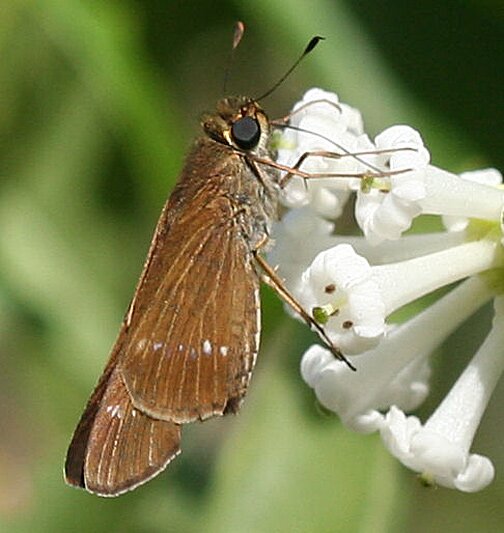
Sugar Cane Skipper
|
|
| |
 |
|
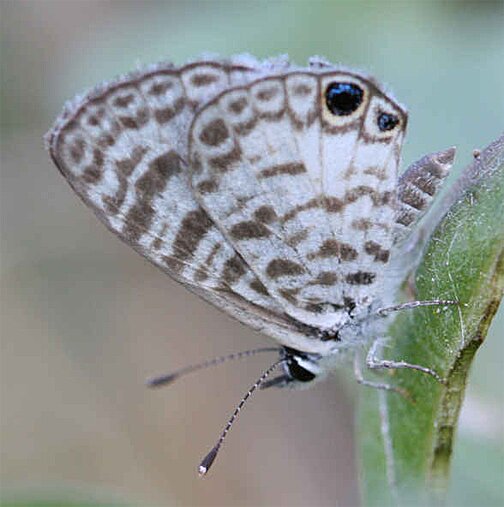
Cassius Blue
|
|
| |
|
|
|
Family: DANAIDAE - The Milkweed Butterflies
|
| |
Monarch, Queen & Soldier Butterflies
Cayman Islands species: Danaus eresimus plexippus,
Danaus gilippus berenice,
Danaus eresimus tethys
They are called Milkweed Butterflies because their larval food plants are Milkweeds – Asclepiads - plants containing a white latex - "milk" toxic substances are incorporated into their bodies, which are distasteful to bird & lizard predators.
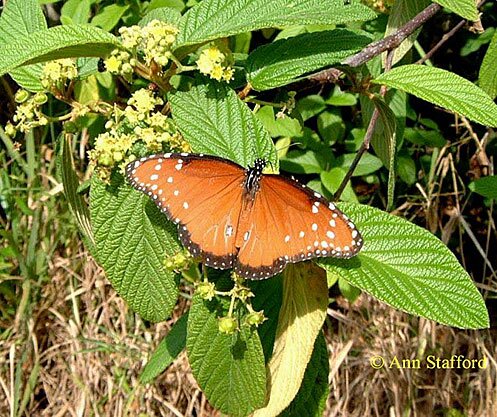
Danaus eresimus & Danaus gilippus
|
| |
|
| |
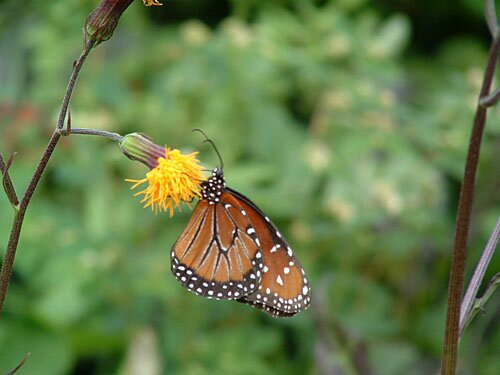
| Soldiers & Queens |
|
Soldiers: Hindwing underside with postdiscal series of faint pale spots
Queens: Have a gap in the white spots on the black band on the edge of the forewing - Soldiers don't. Forewing apex not broadly darkened. Hindwing dark coffee colored 4 – 5mm wide.
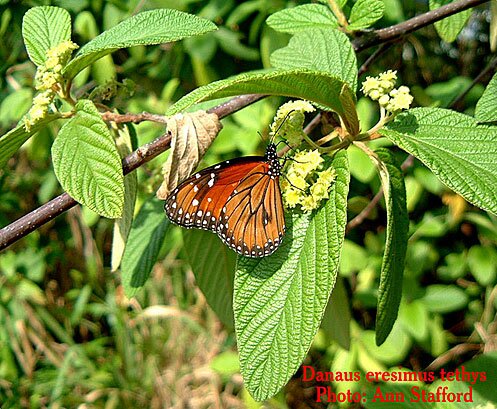
Sometimes it's very difficult to tell a Queen from a Soldier!
|
|
| |
|
|
| Black Witch moth |
| |
|
| |
|
| |
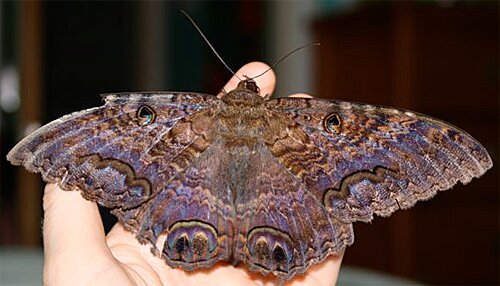
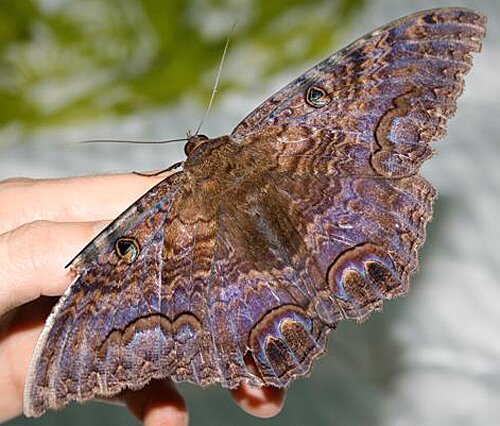
Black Witch moth Ascalapha odorata - Family: NOCTUIDAE (knock-TWO-i-dee). A large, impressive moth. Adults like rotting fruit. Found esp. in hygrophilic zone (wet, fondness of) – wet areas. They look as though they have lace trim. This photo is possibly a female. |
| |
French West Indian moth website
|
| |
Dallas moths
|
| |
Caterpillar Hostplants Candle-Stick Tree (Cassia alata ). Seasonal Flight Data May-October/November. |
| |
Photos by Renate Seffer - Many thanks to Ann Stafford of CaymAnNature for her research and tireless work for Cayman Islands Butterflys, Moths and their habitats. |
| |
|
| |
|
|
| Butterfly Poster Information |
| |
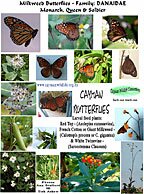
| Please click on the image to the right to download a copy of our latest poster about butterfly plants in PDF format (Adobe's Acrobat Reader). |
| |

Download Adobe's Acrobat Reader
|
|
|
|
|
| |
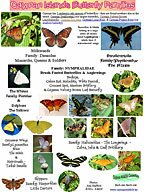
| To see our latest butterfly poster, please click on the image to the right to download a copy in PDF format (Adobe's Acrobat Reader). |
| |
Download Adobe's Acrobat Reader
|
|
|
|
|
| |
| Our Collection of Posters |
click < here >
|
|
|
| |
|
|
| Butterfly Information |
| |
|
|
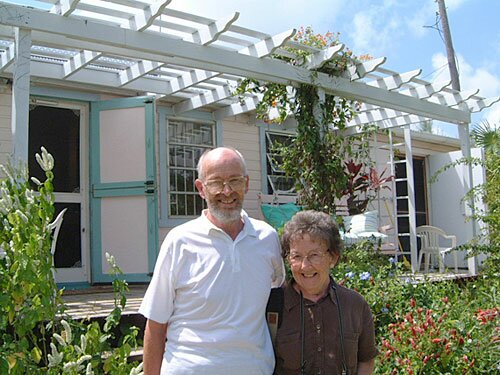
| Dr Richard R. Askew and his artist/photographer wife, Margaret, visited Grand Cayman, Little Cayman and Cayman Brac to photograph Cayman's wild butterfly population and to update research on butterfly species here for their new book Butterflies of the Cayman Islands. (see top of this page for details). Dr. Askew originally described the Cayman Islands' butterfly species in 1975. He wrote the descriptions for all the Cayman Islands' butterfly stamp issues and Mrs. Askew, affectionately known as Tish, has done both the photography and the artwork for them. Students and interested local naturalists often accompany Dr. Askew while he is working in the field and he makes presentations to the public whenever he is in the Cayman Islands. He established the Insectarium for the National Trust. |
| |
|
|
|
|
| Captain George Dixon Park |
| |
|
|
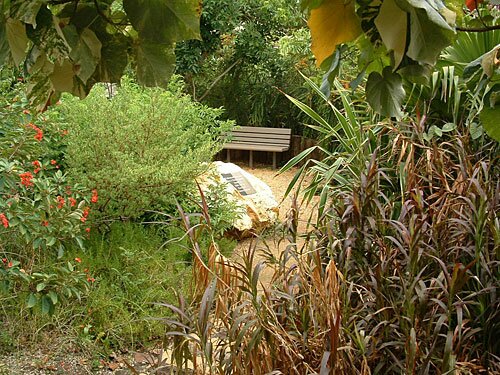
| The Captain George Dixon Park, East End, Grand Cayman, is a good place to look for Cayman Islands Native Butterflies, especially on a sunny morning. Several Cayman butterfly larval food plants are grown there, (the plants on which the butterflies lay their eggs, and the caterpillars eat when they hatch out,) a necessary component of a varied butterfly garden. There are also colorful flowers from which the adult butterflies sip nectar. Look for a rare Monarch and commonly seen species: Queen, Soldier, Buckeye, White Peacock, Julia, Zebra and Gulf Fritillary, Cayman Lucas Blue, Great Southern White, Cloudless Sulphur, Grand Cayman Swallowtail, Long-tailed Skipper, the Monk, and the dainty little day-flying Duppy Bush moth. |
|
|
|
|
|
| |
|
| |
|
|
| |
|
| |
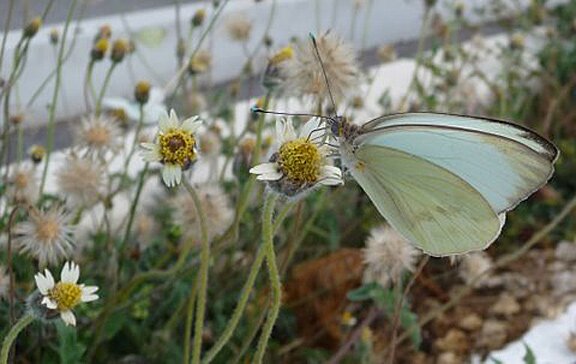 |
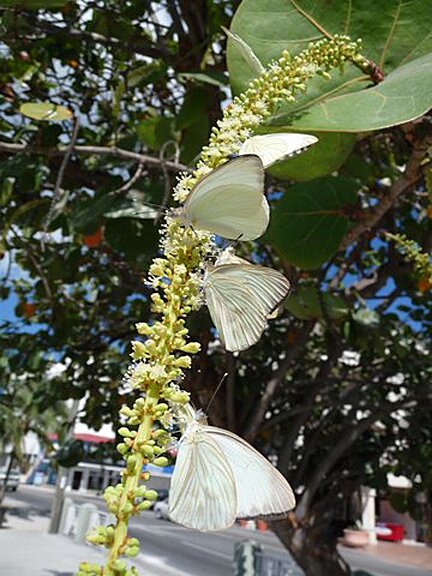
| Great Southern White (Ascia monuste) - Photos by Lois Blumenthal |
 |
|
|
| |
- top of page -
|
| |
|
| |
|